
Causes of Climate Change
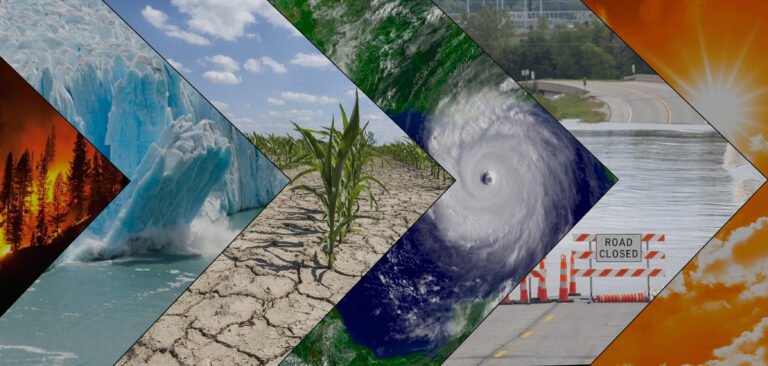
Climate change affects both natural ecosystems and human societies. One of its most visible effects is the increase in global temperatures. Rising temperatures can contribute to more frequent and intense heatwaves in many regions.Climate change is also associated with melting glaciers and ice sheets and rising sea levels. Coastal communities and low-lying regions are particularly vulnerable to flooding and erosion.Changes in temperature and rainfall can affect agriculture and food security. Farmers may experience changes in growing seasons, water availability, and crop productivity. Extreme weather events such as floods, droughts, storms, and wildfires can cause additional damage to homes, infrastructure, and livelihoods.Climate change also threatens biodiversity. Many plants and animals depend on particular temperature and environmental conditions. Rapid changes can make it difficult for some species to adapt or move to suitable habitats.
Addressing climate change requires action at both the individual and global levels. Governments can reduce emissions by increasing the use of renewable energy sources such as solar and wind power, improving public transportation, protecting forests, and promoting energy-efficient technologies.Individuals can also contribute by reducing unnecessary energy consumption, using public transport or walking and cycling when practical, avoiding unnecessary waste, conserving water, and making more sustainable choices.However, individual actions alone are not sufficient. Large-scale changes in energy, transportation, industry, agriculture, and land use are necessary to significantly reduce greenhouse-gas emissions.At the same time, societies must adapt to changes that are already occurring. This includes developing heat-action plans, improving water management, strengthening infrastructure, protecting ecosystems, and preparing communities for extreme weather events.
Climate change is not simply an environmental issue; it is also connected with agriculture, health, water, the economy, biodiversity, and human security. The choices made today will influence the conditions in which future generations live.Reducing greenhouse-gas emissions, protecting natural ecosystems, developing cleaner technologies, and preparing communities for unavoidable changes can help create a more resilient and sustainable future. Climate change is a global challenge, and addressing it requires cooperation among governments, businesses, scientists, communities, and individuals.